

introduction
As a mom of three, I often find myself standing in my kitchen, stirring a large bowl of cheesy goodness, and reflecting on how food connects us all. Last week, while preparing a large casserole for a grieving neighbor, my youngest daughter looked up at me and asked a very curious question. She wanted to know, “Where Did the Name ‘Funeral Potatoes’ Come From?” This simple question sent me down a fascinating rabbit hole of culinary history and community tradition.
Truly, food acts as a universal language of love, especially during the most difficult moments of our lives. Because I believe that every dish tells a story, I wanted to understand why this specific cheesy hashbrown bake became such a staple in American culture. Consequently, I spent my afternoon researching the roots of this iconic dish to provide her with a real answer.
Therefore, today I am sharing not only my favorite recipe but also the deep history behind this comforting classic. If you have ever wondered where did the name ‘funeral potatoes’ come from, you are certainly in the right place to find out.
Specifically, this dish represents the ultimate symbol of community support and neighborly kindness. When words fail us, we often turn to our ovens to express our condolences and care. Moreover, the history of this dish is intertwined with mid-century convenience and cultural traditions.
Why You’ll Love This Recipe and Where Did the Name ‘Funeral Potatoes’ Come From?
You will absolutely adore this recipe because it combines effortless preparation with a flavor profile that appeals to everyone from toddlers to grandparents. Firstly, this dish uses simple pantry staples that you likely already have in your kitchen. Because I value nourishing my family without spending hours on prep, I rely on this reliable method for every potluck.
Additionally, the creamy texture of the potatoes provides a soothing experience that truly defines “comfort food.” If you find yourself asking where did the name ‘funeral potatoes’ come from, you will soon realize it is because this dish offers genuine solace. Consequently, it has become a go-to for any gathering where people need a little extra warmth and care. For instance, the combination of sharp cheddar and sour cream creates a rich base that feels incredibly indulgent.
Moreover, the crispy cornflake topping adds a delightful crunch that balances the soft interior perfectly. Since you can customize the ingredients to suit your family’s preferences, this recipe remains incredibly versatile. Many people wonder where did the name ‘funeral potatoes’ come from when they see it served at joyous occasions like Easter or Christmas.
Ingredients You’ll Need and Where Did the Name ‘Funeral Potatoes’ Come From?
To begin this culinary journey, you need to gather a few essential items from your pantry and fridge. Because quality ingredients lead to the best results, I always recommend using a good brand of frozen hashbrowns. Specifically, you will need the following items to create this masterpiece of comfort.
Moreover, remember that these simple components are what make people ask where did the name ‘funeral potatoes’ come from. For example, the “Cream of” soups are the secret to that classic, nostalgic flavor we all crave. Additionally, using real butter makes a significant difference in the final taste of the topping. Consequently, please ensure your ingredients are fresh and ready for mixing.
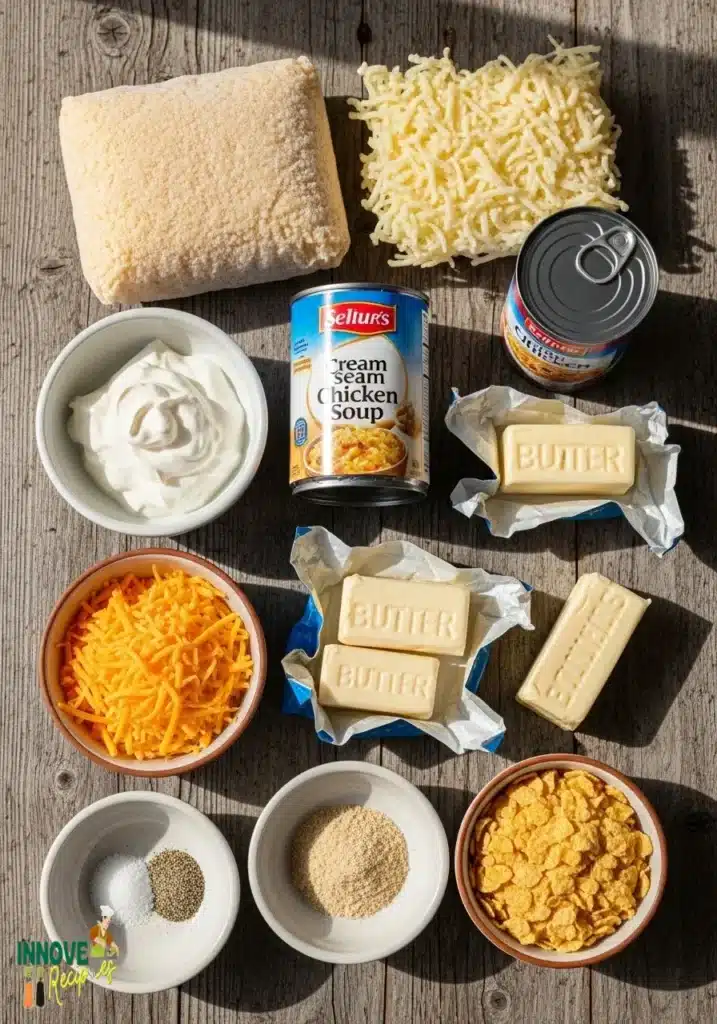
| Ingredient | Quantity | Notes |
|---|---|---|
| Frozen Shredded Hashbrowns | 30 oz bag | Thawed completely |
| Sour Cream | 2 cups | Full fat is best |
| Cream of Chicken Soup | 10.5 oz can | Condensed style |
| Melted Butter | 1/2 cup | Divided for sauce and topping |
| Sharp Cheddar Cheese | 2 cups | Freshly shredded |
| Onion Powder | 1 tsp | Adds subtle depth |
| Cornflakes | 2 cups | Crushed for the topping |
| Salt and Pepper | To taste | Adjust as needed |
When you look at these ingredients, you might still wonder where did the name ‘funeral potatoes’ come from. Traditionally, these items were easy for church relief societies to store and pull out at a moment’s notice. Therefore, the pantry-friendly nature of the recipe contributed heavily to its widespread use.
To begin this culinary journey, you need to gather a few essential items from your pantry and fridge. Because quality ingredients lead to the best results, I always recommend checking out these crispy air fryer vegetables to complement your funeral potatoes.
To begin this culinary journey, you need to gather a few essential items from your pantry and fridge. Because quality ingredients lead to the best results, I always recommend using a good brand of frozen hashbrowns; for more delicious air fryer ideas, check out crispy air fryer vegetables.
To begin this culinary journey, you need to gather a few essential items from your pantry and fridge. Because quality ingredients lead to the best results, I always recommend using a good brand of frozen hashbrowns. For more delightful vegetable options, check out crispy air fryer vegetables.
To begin this culinary journey, you need to gather a few essential items from your pantry and fridge. Because quality ingredients lead to the best results, I always recommend using a good brand of frozen hashbrowns. For a delicious side dish that pairs well with funeral potatoes, check out this recipe for crispy air fryer vegetables.
To begin this culinary journey, you need to gather a few essential items from your pantry and fridge. For those who enjoy delightful treats, my recipe for air fryer donuts from scratch could be a fun addition to your cooking repertoire.
Substitutions & Variations about Where Did the Name ‘Funeral Potatoes’ Come From?
While the classic version is iconic, you can certainly mix things up based on what you have on hand. Firstly, if you do not have cornflakes, try using crushed potato chips or Ritz crackers for the topping. Because some families prefer a different texture, using diced hashbrowns instead of shredded ones is also a great option.
If you are looking for a vegetarian version, simply swap the cream of chicken soup for cream of mushroom or cream of celery. Moreover, adding a bit of garlic powder or even some diced green onions can elevate the flavor profile significantly. Many people who ask where did the name ‘funeral potatoes’ come from are surprised to learn that variations exist in every region. Consequently, you can make this recipe your own while still honoring its history.
Additionally, if you want a lighter version, you can substitute Greek yogurt for the sour cream. Although this changes the richness slightly, it still provides that signature tanginess. Furthermore, experimenting with different cheeses like Gruyère or Pepper Jack can add a sophisticated or spicy twist.
Step-by-Step Instructions
Making this casserole is incredibly straightforward, which is perfect for busy moms like us. Firstly, preheat your oven to 350°F (175°C) and grease a 9×13 inch baking dish. Because prep work is the key to success, ensure your hashbrowns are fully thawed before you start.
Consequently, you will avoid any excess moisture that could make the dish soggy. Once you are ready, follow these simple steps to recreate the magic. If you are still thinking about where did the name ‘funeral potatoes’ come from, remember that the ease of preparation is exactly why it became a funeral staple. Specifically, you can throw this together in just a few minutes while managing a busy household.
Note: This video is for demonstration purposes and may use a slightly different method.
Secondly, in a large mixing bowl, combine the sour cream, cream of chicken soup, half of the melted butter, and the onion powder. Stir these together until the mixture is smooth and creamy. Next, fold in the shredded cheddar cheese and the thawed hashbrowns.
Make sure every single potato strand is coated in that delicious sauce. Afterward, spread the mixture evenly into your prepared baking dish. In a separate small bowl, mix the crushed cornflakes with the remaining melted butter.
Sprinkle this crunchy topping over the potatoes until they are completely covered. Finally, bake the casserole for 45 to 50 minutes until the top is golden brown and the edges are bubbling. As the smell fills your house, you will understand why people constantly ask where did the name ‘funeral potatoes’ come from—it is because the aroma is pure comfort.
Making this casserole is incredibly straightforward, which is perfect for busy moms like us. If you are still thinking about where did the name ‘funeral potatoes’ come from, you’ll appreciate having a quick and delicious shrimp spinach pasta recipe on hand for an easy meal!
Making this casserole is incredibly straightforward, which is perfect for busy moms like us. For additional easy-to-make meal ideas, consider trying this Shrimp Spinach Pasta Recipe, perfect for any weeknight dinner.
Making this casserole is incredibly straightforward, which is perfect for busy moms like us. Consequently, you will avoid any excess moisture that could make the dish soggy. If you need a quick and satisfying meal idea, consider trying my Shrimp Spinach Pasta Recipe for a delicious twist.
Making this casserole is incredibly straightforward, which is perfect for busy moms like us. Consequently, you will avoid any excess moisture that could make the dish soggy. If you enjoy casseroles, you might also like trying this delightful Shrimp Spinach Pasta Recipe!
Making this casserole is incredibly straightforward, making it perfect for busy moms like us. If you’re interested in enhancing your meals further, check out my tips on making crispy air fryer vegetables for a delicious side dish.
Pro Tips for Success about Where Did the Name ‘Funeral Potatoes’ Come From?
To ensure your casserole turns out perfectly every single time, I have a few expert tips to share. Firstly, do not skip the thawing process for the hashbrowns. Because frozen potatoes release water as they cook, skipping this step can result in a thin sauce.
Secondly, I highly recommend shredding your own cheese from a block. Since pre-shredded cheese is coated in potato starch to prevent sticking, it does not melt as smoothly as fresh cheese. Additionally, if you want a truly crispy topping, wait to add the cornflakes until the last 20 minutes of baking.
Consequently, the topping will stay crunchy while the potatoes cook through. For those wondering where did the name ‘funeral potatoes’ come from, these tips ensure you are serving a dish worthy of its prestigious reputation.
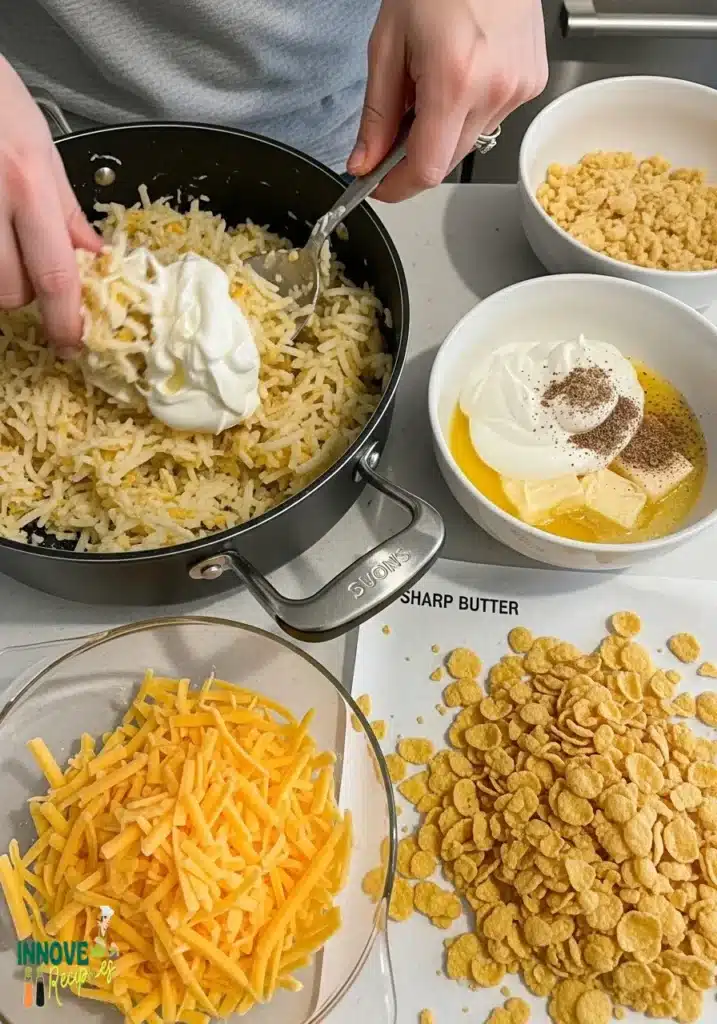
Furthermore, you can prepare this dish a day in advance and keep it in the fridge until you are ready to bake. This is especially helpful if you are taking the meal to a friend in need. Since the flavors meld together over time, an overnight rest can actually enhance the taste.
Storage & Reheating Tips
If you are lucky enough to have leftovers, you need to store them properly to maintain their deliciousness. Firstly, allow the casserole to cool completely before transferring it to an airtight container. Because moisture can ruin the crunchy topping, try to store the topping separately if possible, though it is usually fine mixed in.
You can keep the leftovers in the refrigerator for up to four days. Additionally, if you want to freeze the dish, it is best to do so before baking. Simply wrap the unbaked casserole tightly in plastic wrap and foil.
Consequently, you will have a ready-made meal for a busy night. Many people who investigate where did the name ‘funeral potatoes’ come from find that its freezer-friendly nature is a huge part of its history.
If you are lucky enough to have leftovers, you need to store them properly to maintain their deliciousness. Consider pairing your meal with a delightful lemon ricotta pasta for a refreshing twist!
If you are lucky enough to have leftovers, you need to store them properly to maintain their deliciousness. If you’re looking for a fresh twist on pasta to enjoy later, try this Lemon Ricotta Pasta recipe.
If you are lucky enough to have leftovers, you need to store them properly to maintain their deliciousness. Additionally, if you want to freeze the dish, it is best to do so before baking. For a refreshing meal to use up leftovers, you should try this exquisite Lemon Ricotta Pasta.
If you are lucky enough to have leftovers, you need to store them properly to maintain their deliciousness. Additionally, if you want to freeze the dish, it is best to do so before baking. Don’t forget to try a refreshing accompaniment like Lemon Ricotta Pasta to enjoy with your meal!
If you are lucky enough to have leftovers, proper storage is key to maintaining their deliciousness. To expand your culinary skills, consider trying my Shrimp Spinach Pasta Recipe for a delightful meal variation.
What to Serve With This Recipe
While this dish is often a side, it pairs beautifully with a variety of main courses. Firstly, it is the classic companion to a honey-glazed ham or a roasted turkey. Because the creamy potatoes balance the salty meat, it is a match made in heaven.
Additionally, a crisp green salad with a light vinaigrette provides a refreshing contrast to the richness of the casserole. If you are serving this at a brunch, it goes wonderfully with quiche or fresh fruit. Consequently, you can adapt the menu to fit any time of day. For instance, many people who ask where did the name ‘funeral potatoes’ come from see it served at holiday dinners alongside green bean casserole.
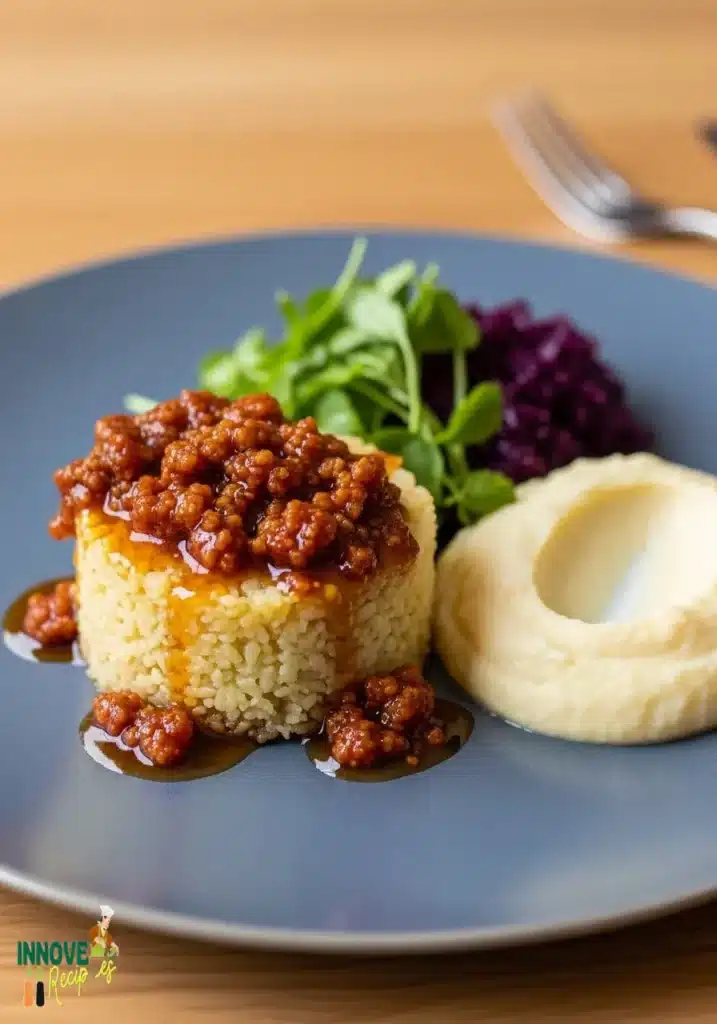
Moreover, grilled chicken or pork chops are excellent choices for a simpler weeknight meal. Since the potatoes are so filling, you often only need a simple vegetable like steamed broccoli to round out the plate. Furthermore, this dish is a superstar at potlucks where it sits alongside pasta salads and dinner rolls.
FAQs
Where did the name ‘funeral potatoes’ come from exactly?
The name originated primarily within the culture of The Church of Jesus Christ of Latter-day Saints (LDS) in the Intermountain West. Because members of the Relief Society would often prepare large batches of this casserole for families after a funeral service, the name naturally stuck.
Can I make this recipe gluten-free?
Yes, you absolutely can! To make it gluten-free, use a gluten-free cream of chicken soup and ensure your cornflakes are certified gluten-free. Additionally, check that your hashbrowns do not have any added wheat starches.
Why are cornflakes used for the topping?
Cornflakes became the traditional topping because they were a common pantry staple in the mid-20th century. Since they stay crunchy even after being baked with butter, they provide the perfect textural contrast to the soft potatoes. Moreover, they add a subtle sweetness that complements the salty cheese. As a result, they became the gold standard for this specific casserole.
Can I use fresh potatoes instead of frozen hashbrowns?
While you can use fresh potatoes, you must peel, shred, and parboil them first. Because frozen hashbrowns are already processed and ready to go, they save a significant amount of time. If you use fresh potatoes without parboiling, they may not cook through in the allotted time. Consequently, the convenience of frozen potatoes is part of why the question where did the name ‘funeral potatoes’ come from leads back to mid-century efficiency.
The origin of the term ‘funeral potatoes’ reflects cultural traditions of sharing food during moments of grief, particularly in Mormon communities. This dish often serves as a comfort during times of loss, highlighting the communal aspect of food in heartwarming settings, as described in casserole literature.
The name ‘Funeral Potatoes’ refers to a casserole that is often prepared for gatherings during times of mourning, reflecting community support. For insights into this comforting dish and its cultural significance, explore this casserole article.
The name ‘Funeral Potatoes’ refers to a casserole dish often served at gatherings that honor the deceased, reflecting a tradition of community support during difficult times. This beloved dish illustrates how culinary practices can express compassion, making it a comforting staple in many households, especially during moments of grief. Learn more about the cultural significance of this dish in this article.
The name ‘funeral potatoes’ refers to a popular casserole that is often served at gatherings following a funeral or memorial service, symbolizing comfort and community support during difficult times. This dish, rooted in tradition, has a fascinating history worth exploring, especially its role in American culture, which you can learn more about in this casserole-related entry.
The name ‘Funeral Potatoes’ refers to a comforting casserole traditionally served during times of bereavement, known for its rich, cheesy flavor and creamy texture. This dish highlights the role of comfort food in community support during difficult times, similar to other casseroles linked to cultural traditions, as detailed in this casserole article.
Nutrition Information (per serving)
Understanding the nutritional content helps you balance your family’s meals. While this is a treat dish, it provides plenty of energy and comfort. Specifically, here is the breakdown for one standard serving of this delicious casserole.
Because I believe in moderation, I usually serve this alongside plenty of fresh vegetables. Therefore, you can enjoy the rich history of where did the name ‘funeral potatoes’ come from as part of a balanced diet.
| Nutrient | Amount |
|---|---|
| Calories | 320 kcal |
| Total Fat | 18g |
| Saturated Fat | 11g |
| Cholesterol | 45mg |
| Sodium | 680mg |
| Total Carbohydrates | 28g |
| Protein | 9g |
Conclusion
In conclusion, exploring the history of where did the name ‘funeral potatoes’ come from has been a journey through American community and kindness. This dish is far more than just a combination of potatoes and cheese; it is a legacy of love served in a 9×13 pan. Because we often struggle to find the right words during difficult times, we rely on these recipes to speak for us.
Consequently, every time you bake this casserole, you are participating in a long-standing tradition of neighborly support. Moreover, I hope this recipe brings as much comfort to your kitchen as it has to mine over the years. As a mom, nothing makes me happier than seeing my children enjoy a meal that carries so much meaning.
Now, it is time for you to head to the kitchen and create some comfort of your own. Happy cooking!
Print
Where Did the Name ‘Funeral Potatoes’ Come From?
- Total Time: 70 mins
- Yield: 12 servings 1x
- Diet: Gluten Free
Description
A comforting cheesy potato casserole that is often served during times of mourning, known as 'funeral potatoes,' symbolizes community support during difficult times.
Ingredients
30 oz Frozen Shredded Hashbrowns
2 cups Sour Cream
10.5 oz Cream of Chicken Soup
1/2 cup Melted Butter
2 cups Sharp Cheddar Cheese
1 tsp Onion Powder
2 cups Cornflakes, crushed
Salt and Pepper to taste
Instructions
- Preheat oven to 350°F (175°C) and grease a 9×13 inch baking dish
- In a large mixing bowl, combine sour cream, cream of chicken soup, half of the melted butter, and onion powder. Stir until smooth
- Fold in shredded cheddar cheese and thawed hashbrowns until well coated
- Spread the mixture in the prepared baking dish
- In a separate bowl, mix crushed cornflakes with remaining melted butter and sprinkle over the potato mixture
- Bake for 45 to 50 minutes until golden brown and bubbly
Notes
Ensure hashbrowns are fully thawed for best results.
You can prepare the casserole a day in advance.
- Prep Time: 20 mins
- Cook Time: 50 mins
- Category: Side Dish
- Method: Baking
- Cuisine: American
Nutrition
- Serving Size: 1 cup
- Calories: 320 kcal
- Sugar: 2 g
- Sodium: 680 mg
- Fat: 18 g
- Saturated Fat: 11 g
- Unsaturated Fat: 7 g
- Trans Fat: 0 g
- Carbohydrates: 28 g
- Fiber: 2 g
- Protein: 9 g
- Cholesterol: 45 mg
Keywords: funeral potatoes, cheesy potato casserole, comfort food